At Peratex, we provide complete industrial surface solutions, specialising in Teflon™ coatings, Nylon coatings and Sandblasting. From preparing raw surfaces through to applying high-performance protective finishes, we handle every stage in-house to ensure quality, durability, and consistency. Whether it’s a small precision component or large industrial equipment, our team delivers reliable results with practically no size limitations and fast turnaround times.
Teflon™ Coatings
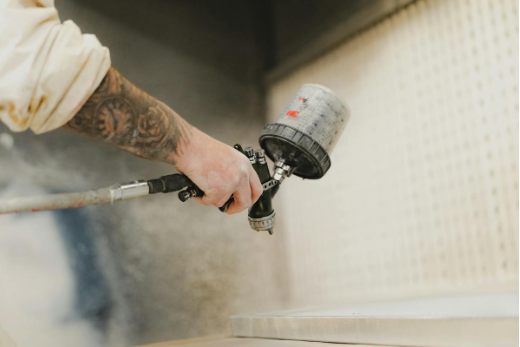
Peratex offers a range of Teflon™ coatings that can be used on a variety of substrates including stainless steel, carbon steel, aluminum, steel alloys, brass, and magnesium. Teflon™ coatings spray on like paint and bake to a tough, inert finish.

PTFE
PTFE (polytetrafluoroethylene) based nonstick coatings provide the highest operating temperature of any fluoropolymer (260°C), an extremely low coefficient of friction, good abrasion resistance, and great corrosion protection.
Industries Typically Used For:
- Commercial Bakeware
- Food Processing
- Laundry
- Packaging
- Automotive
- Office Automation
ETFE
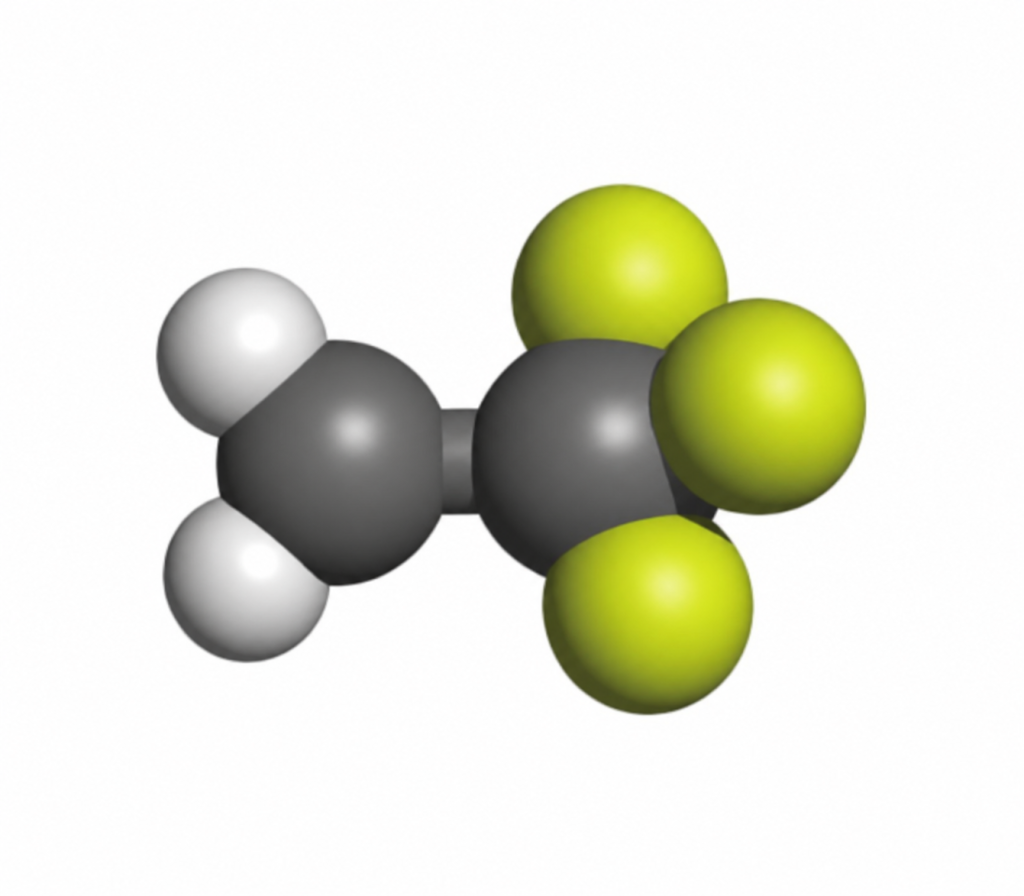
ETFE (Ethylene Tetrafluoroethylene) coatings provide excellent chemical resistance, outstanding weatherability, and exceptional toughness. These coatings offer a low coefficient of friction, excellent electrical insulation properties, and high resistance to UV radiation, making them ideal for demanding industrial and outdoor applications. ETFE coatings can operate continuously at temperatures up to 150°C while maintaining excellent durability and performance.
Industries Typically Used For:
- Industrial Manufacturing
- Chemical Processing
- Electrical & Electronics
- Aerospace
- Automotive
- Marine
- Energy & Power Generation

PFA
PFA (perfluoroalkoxy) nonstick coatings melt and flow during baking to provide nonporous films. This combined with broad chemical inertness and low permeability makes PFA the gold standard for chemical protection. PFA based coatings are exceptionally heat resistant, allowing for continuous use at up to 260°C. They also allow for greater film thicknesses than many other coating types, and greater toughness than PTFE or FEP. This combination of properties makes PFA an excellent choice for a wide variety of uses, especially those involving chemical resistance.
Industries Typically Used For:
- Printing
- Chemical Processing
- Moulds
- Industrial Dryers
- Glue pots

FEP
FEP (fluorinated ethylene propylene copolymer) nonstick coatings melt and flow during baking to provide nonporous films. These Teflon™ coatings excel at release applications and when dealing with sticky products. In addition to excellent nonstick properties, they also provide low friction, and good corrosion and chemical protection. Maximum use temperature is 204°C – 220°C.
Industries Typically Used For:
- Food Processing
- Chemical Processing
- Packaging
- Heat sealing equipment
- Textiles
Nylon
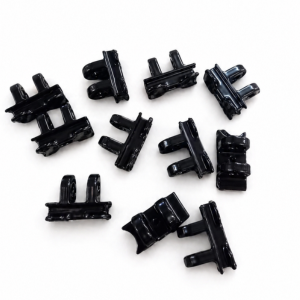
Nylon is an exceptionally hardwearing coating that looks like powder coating but is actually a high molecular weight thermoplastic polymer, which is melted on. It provides superior abrasion, and wear/impact resistance when compared to typical polyester powder coating.
Nylon can adhere to most substrates including most metals, steel (carbon, stainless, chrome plated, galvanized), aluminium (sheet, bar, or rod, many alloys, foil, anodized or chromate treated), copper, brass, bronze, red brass, and other alloys.
Benefits of Nylon Coating
There are many benefits of Nylon coatings, these include:
- Manufactured from renewable resources.
- Non-toxic.
- Excellent wear characteristics including outstanding abrasion resistance, very high impact resistance, and a low friction coefficient.
- Good resistance to weathering.
- Good chemical resistance especially to solvents.
- Great corrosion resistance.
- Great salt spray resistance.
- Good thermal insulation, ideal for warm to touch applications.
- Maintains flexibility at low temperatures
- High vibration absorbing capacity.
- Smooth low friction surface, and
- Low moisture pickup.
Small Scale Sandblasting
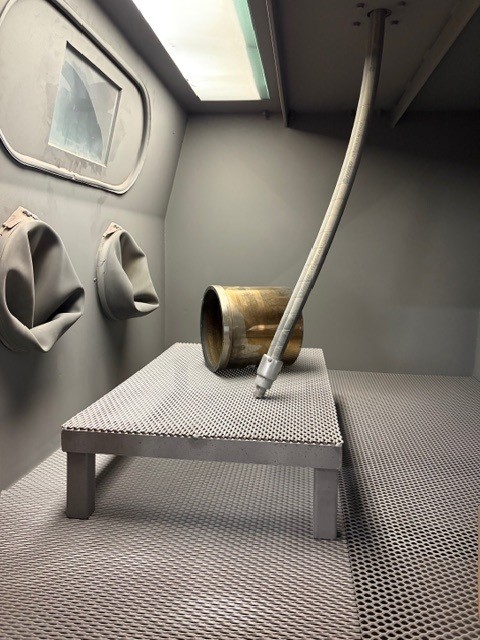
We specialize in sandblasting small components with accuracy and care, stripping away rust, paint, and buildup without damaging the material. Perfect for detailed parts that require a clean surface before coating or refurbishment.
We cater for smaller items like automotive parts, valves, seals, brackets, fittings and food grade components.
Large Scale Sandblasting
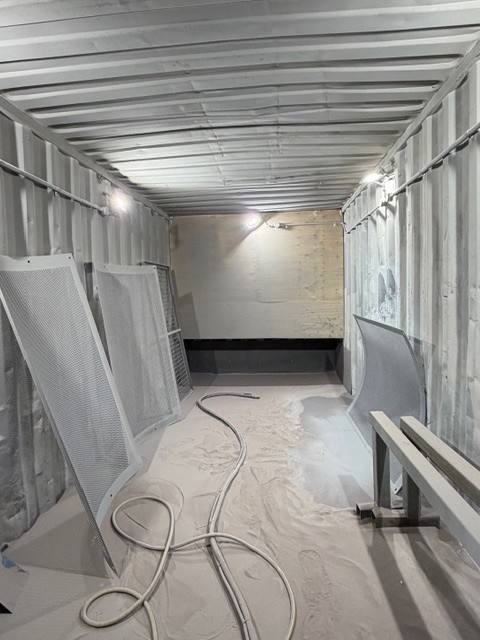
Our large-scale sandblasting service is designed for heavy-duty industrial parts and equipment. From Machinery component rollers & conveyor parts, Steel frames & fabricated parts to larger items like tanks, we deliver a thorough, even blast that restores surfaces and prepares them for long-lasting protective coatings.
High Temperature Ovens
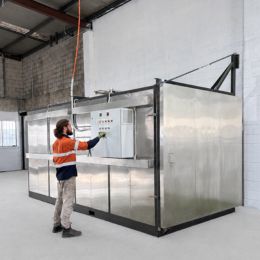
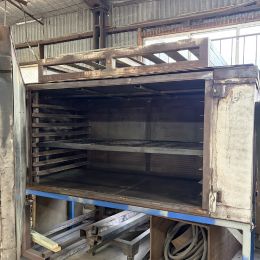
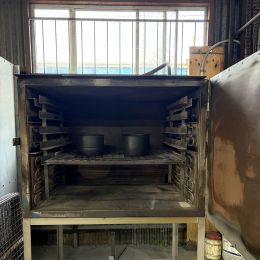
We have a range of ovens that we use to cater to different sized jobs that come our way, reaching up to 500°C.